

多媒體


Chinese Culinary Culture Training Programme – Sichuan Edition Graduation Dinner Celebrates Success 30 Students and Teachers Present ‘A Hundred Dishes, A Hundred Flavours’ of Authentic Sichuan Cuisine
To promote and preserve the excellence of Chinese culinary culture and to deepen exchange between Hong Kong and the Chinese Mainland, the Greater Bay Area Homeland Youth Community Foundation (the Foundation) partnered with the VTC’s Chinese Culinary Institute (CCI) to organise the Chinese Culinary Culture Training Programme for the third consecutive year. Following the Shunde and Chaoshan editions, this year’s programme focused on Sichuan cuisine.
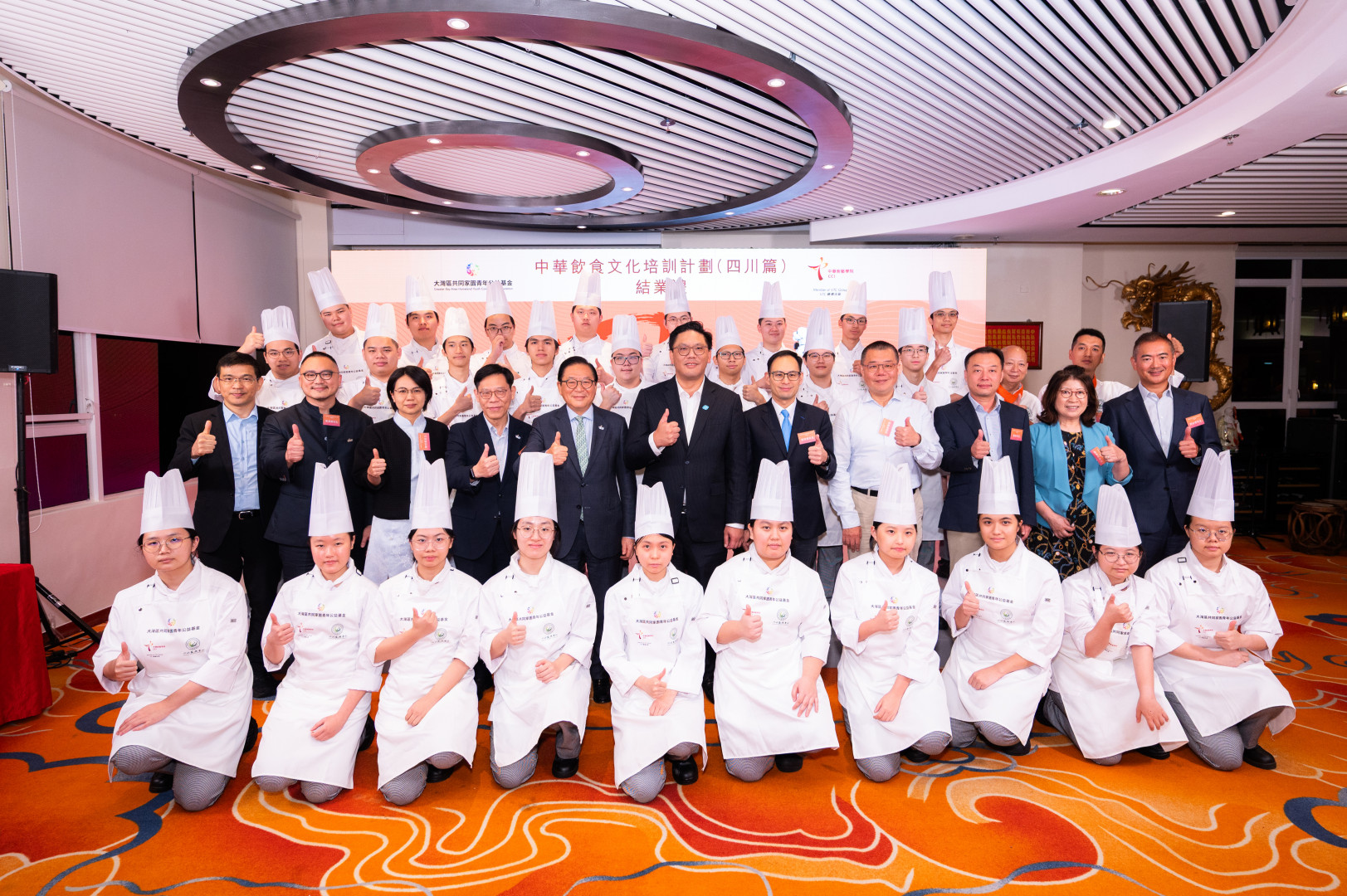
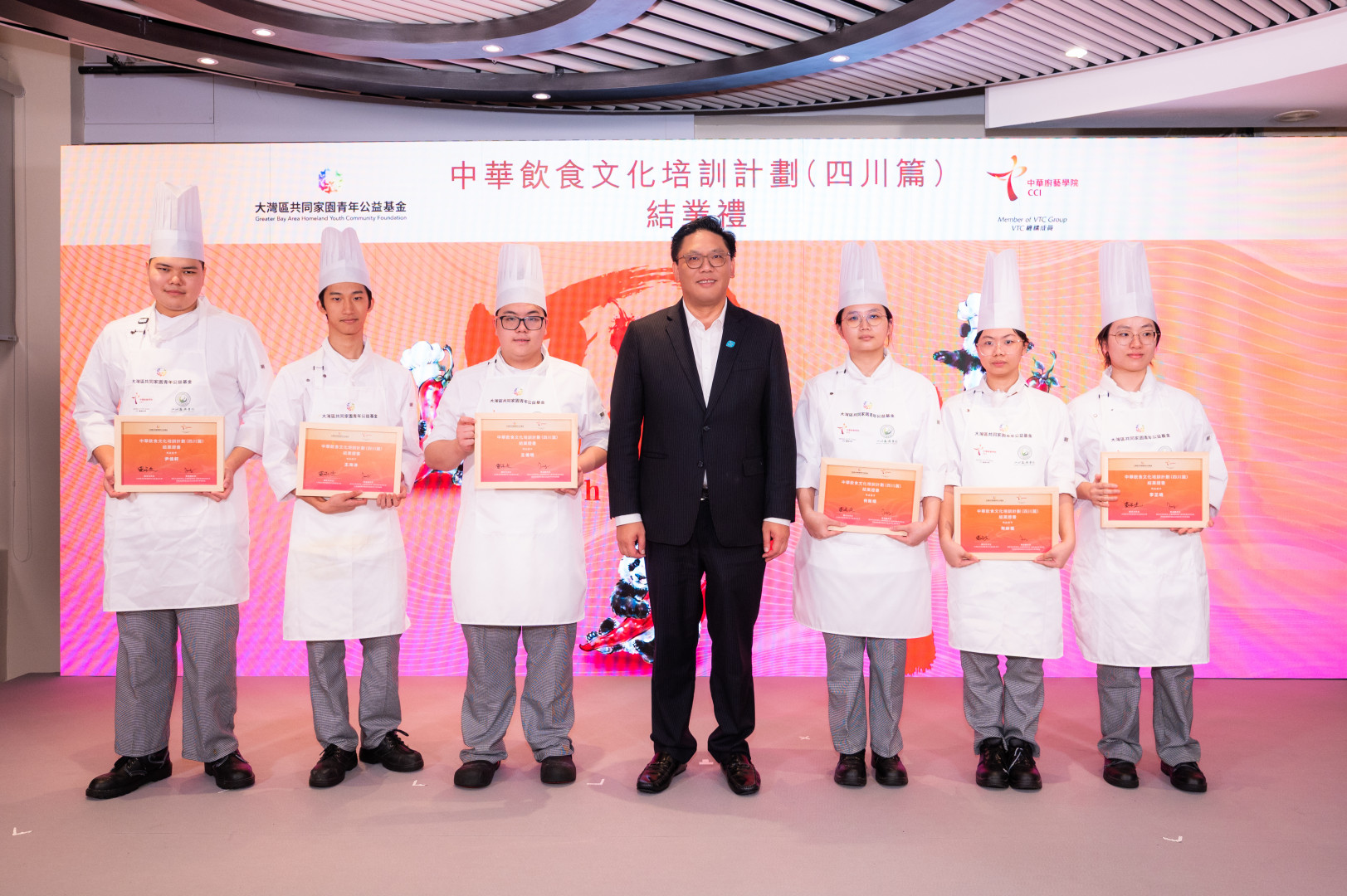
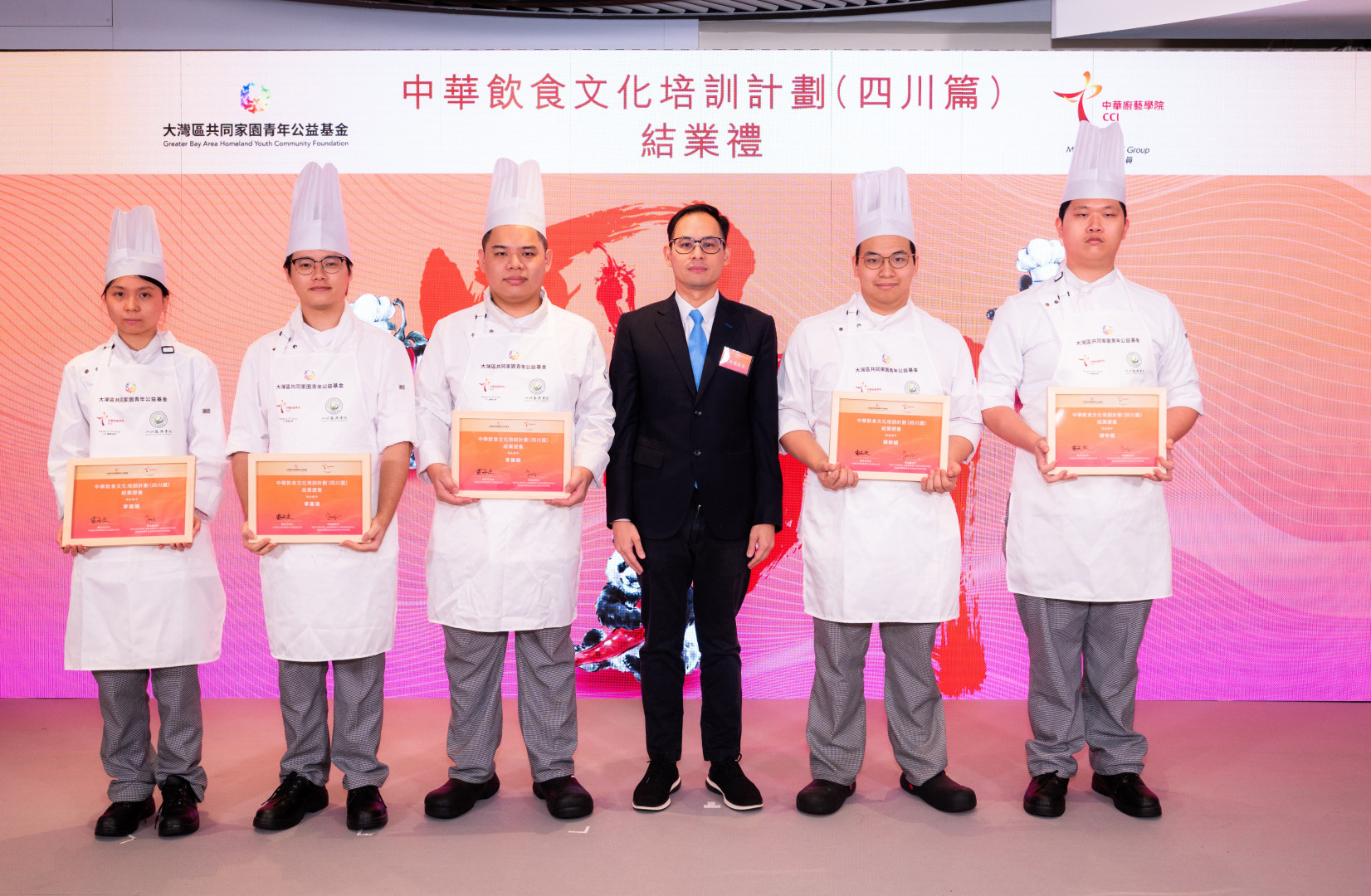
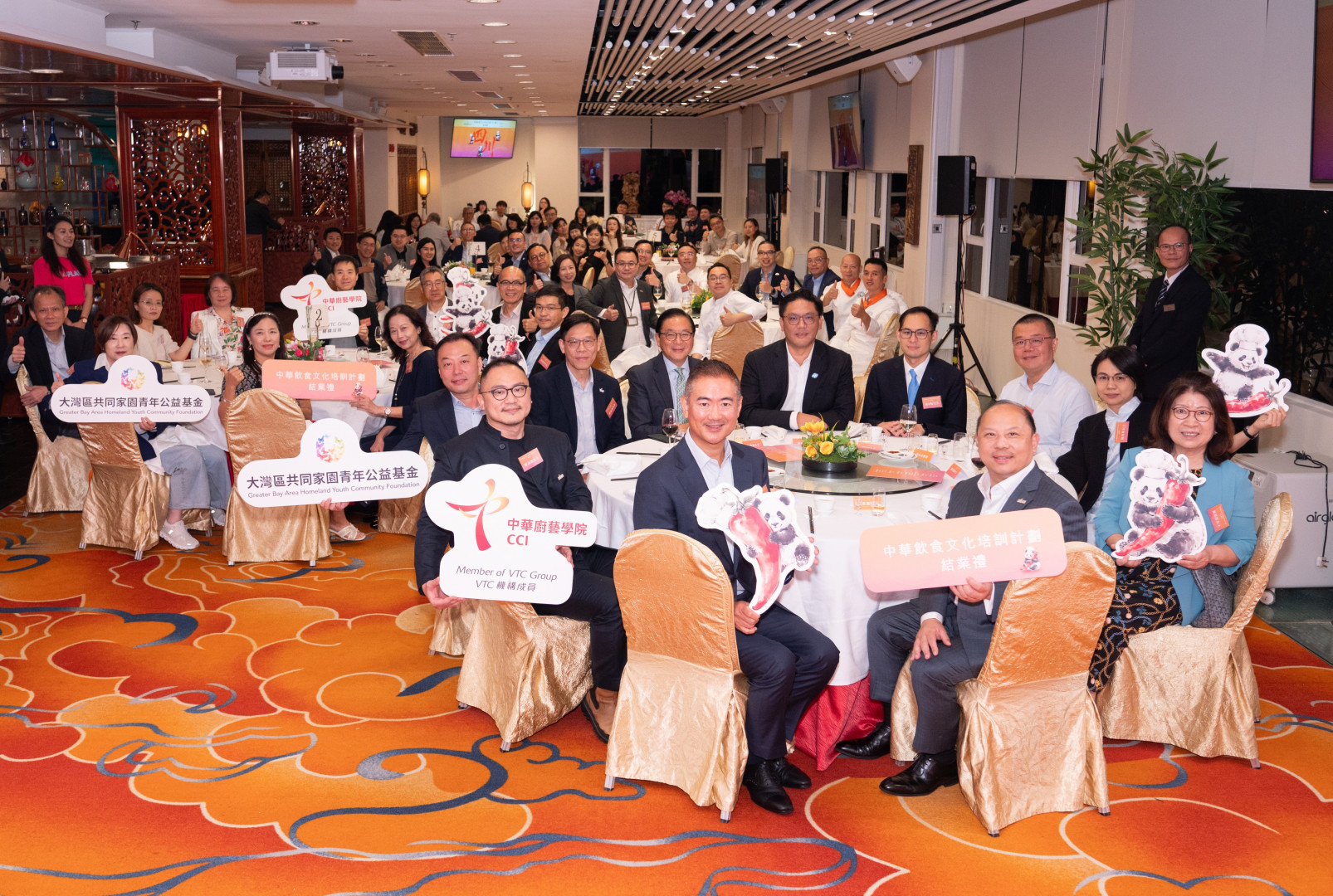
In early August 2026, 30 teachers and students travelled to Chengdu, Sichuan, for an eight day study tour. With the full support of Sichuan Tourism University, senior instructors provided hands on training in authentic Sichuan techniques. To showcase the students’ achievements, the organisers hosted a graduation ceremony and dinner on 9 October 2026, where students designed the menu and demonstrated their skills through a selection of classic dishes. Distinguished guests attended to witness the students’ progress and experience the unique charm of Sichuan cuisine first-hand.
Guests of honour included Mr Clarence LEUNG, Under Secretary for Home and Youth Affairs; Mr Alex YEUNG, Vice Chair of the Greater Bay Area Homeland Youth Community Foundation; The Honourable Jeffrey LAM, Chairman of the VTC; Prof Witman HUNG, Advisor of the Greater Bay Area Homeland Youth Community Foundation; Mr Donald TONG, Executive Director of the VTC; Mr YANG Bin, CEO of the Greater Bay Area Homeland Youth Community Foundation; and Mr James YAP, Principal of the Chinese Culinary Institute of the VTC, among other distinguished guests. They praised the students’ skill and dedication, noting that the programme not only passes on Chinese culinary culture from generation to generation, but also strengthens Hong Kong youths’ professional capabilities and workplace competitiveness.
Students curate a menu showcasing Sichuan cuisine’s ‘one dish, one style; a hundred dishes, a hundred flavours’
As one of the Four Major Chinese Cuisines, Sichuan cuisine is renowned for its numbing, spicy, fresh and aromatic characteristics, and for its highly diverse palette of 24 classic tastes. At the graduation dinner on 9 October, the students drew on their Chengdu training to curate a feast blending traditional heritage with contemporary presentation.
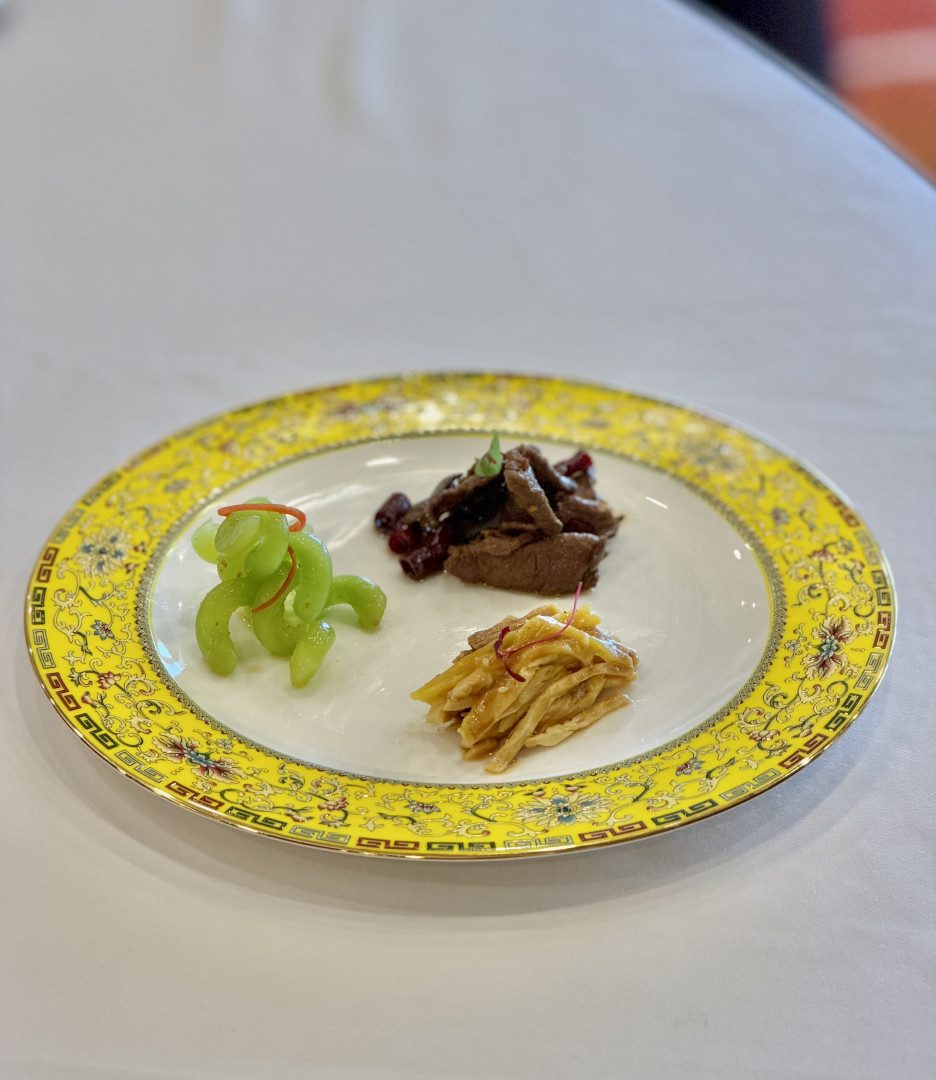
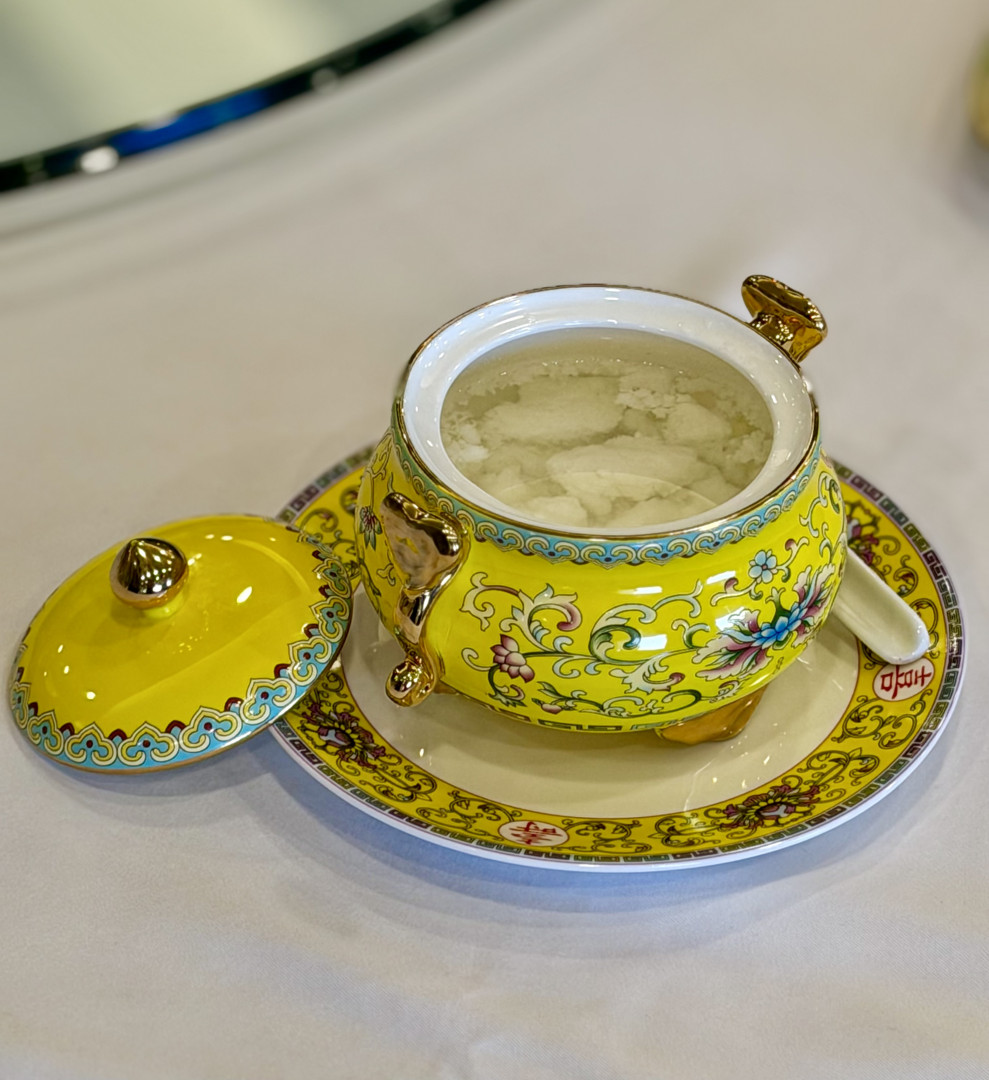
The meal opened with Sichuan appetisers including Shredded Chicken in Strange Flavour Sauce, Shredded Celtuce in Hot and Sour Dressing, and Beef with Dried Tangerine Peel. The soup course, Chicken Tofu Pudding, displayed refined craftsmanship, encapsulating the adage: ‘one tastes chicken without seeing chicken, while the broth is purer than spring water’. This was followed by traditional Sichuan Braised Pork, a classic that exemplifies the principle of ‘30 per cent braising in master stock and 70 per cent simmering’.
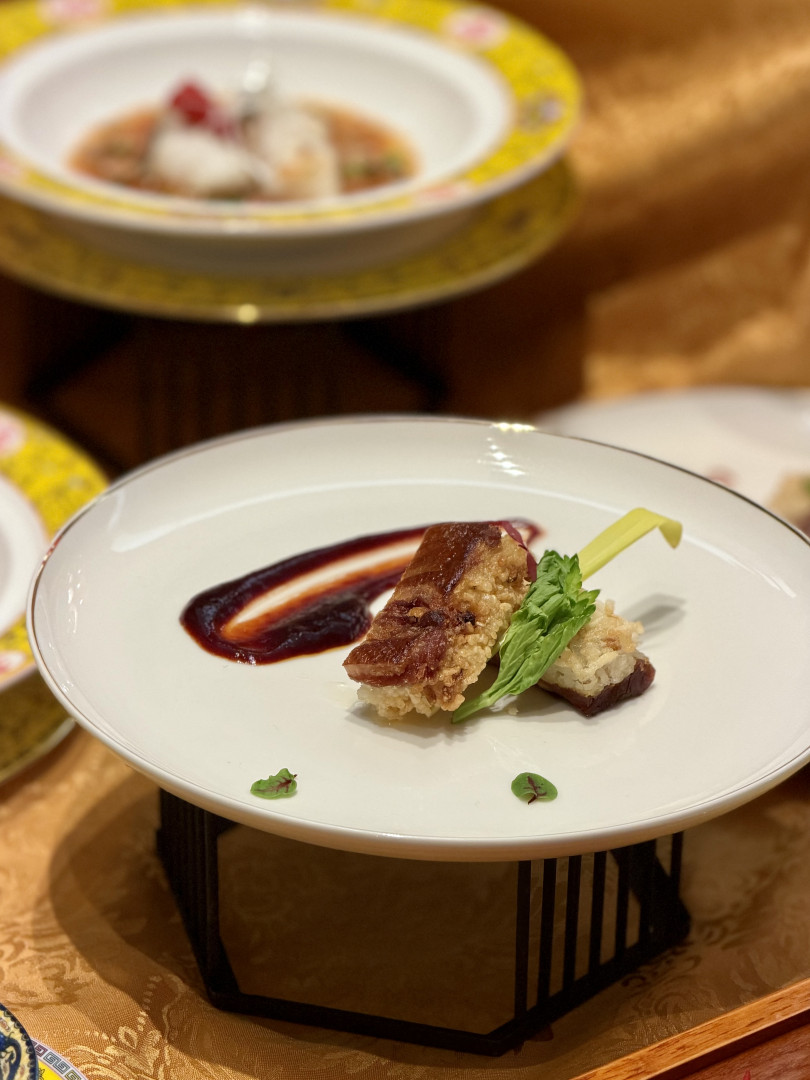
The hot dishes were equally distinctive: Dry braised Giant Grouper Fillet; Glutinous Rice and Camphor Tea smoked Duck; and Mapo Tofu with Diced Foie Gras served with Deep fried Mantou. Also featured were the meticulously prepared Steamed Chinese Cabbage in Supreme Soup, praised for its crystal clear broth and rich umami, and authentic Wontons in Red Chilli Oil. The feast concluded with the classic desserts Chilled Rice Cake and handcrafted Brown Sugar Glutinous Rice Cake.
Strong cross sector support deepens exchange and sustains culinary heritage
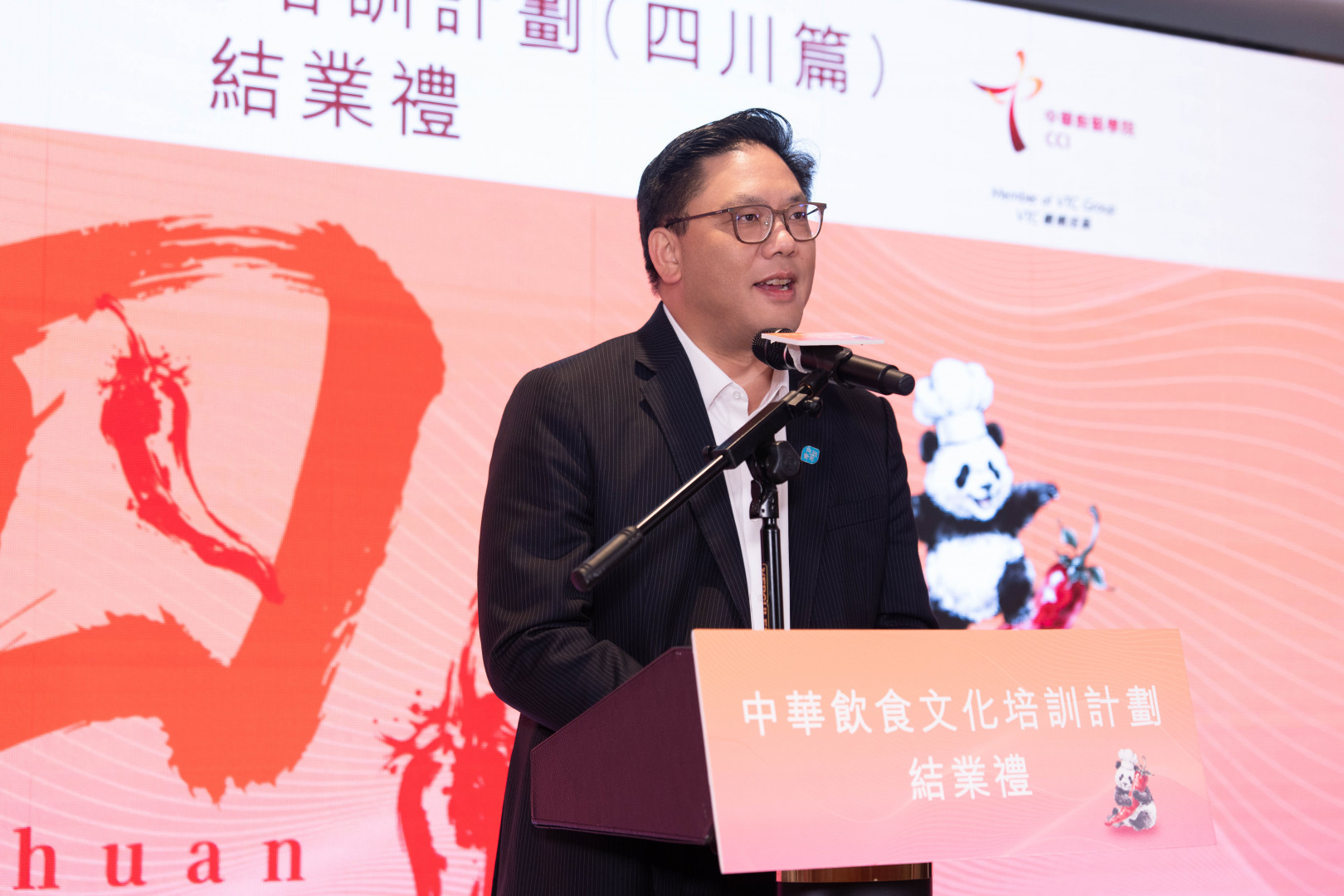
Mr Clarence LEUNG, Under Secretary for Home and Youth Affairs, said: ‘As set out in our newly released First Five‑Year Plan (2026–2030) and the 2026 Policy Address, the HKSAR Government places great importance on youth development. We remain committed to creating ample opportunities and spaces for our young people to thrive and realise their potential. I encourage them to seize these opportunities, take an active role in community affairs, and participate in a wide range of programmes to broaden their horizons. In this regard, the Chinese Culinary Culture Training Programme – Sichuan Edition – jointly organised by the Greater Bay Area Homeland Youth Community Foundation and the Chinese Culinary Institute, offers students a great chance to learn authentic Sichuan cuisine in Chengdu. This initiative provides truly invaluable exposure. Tonight’s graduation dinner marks a significant milestone in their development journey, and I am confident that, through hard work and dedication, our students will ably demonstrate all that they have learnt in Sichuan.’
Mr Alex YEUNG, Vice Chair of the Greater Bay Area Homeland Youth Community Foundation, said: ‘Now in its third year, the Foundation’s Chinese Culinary Culture Training Programme immerses students in the birthplace of traditional Chinese culinary culture, helping them refine their skills, elevate their craft, and deepen their sense of national identity and belonging. In doing so, they leverage the soft power of food culture to tell the stories of Hong Kong and our country.’
Mr James YAP, Principal of the Chinese Culinary Institute of the VTC, said: ‘Food is the best language for transcending regions and cultures. Sichuan cuisine is renowned for its diverse flavours, and this training enabled our culinary students to experience the profound depth of Chinese culture first-hand. We hope this unique experience inspires their future development through traditional craftsmanship and innovation, further promoting Chinese culinary culture to the world.’
Students gain deeper insights into Sichuan culinary culture and flavours.
Year 2 students on the Chinese Culinary Institute’s Diploma in Chinese Cuisine (QF Level 3), Stephen WAI and Vivian HO, agreed that the training trip was eye opening and deeply rewarding.
Reflecting on the journey, WAI Sai ho said: ‘I was fortunate to visit Chengdu, Sichuan, and study Sichuan cuisine and culture in depth. The experience allowed me to appreciate its unique charm. I learned that Sichuan cuisine is not defined by just one type of spiciness, but by 24 different flavour profiles.’
Vivian HO said: ‘Sichuan seasoning is much more complex than Cantonese cuisine. It was challenging to master the exact proportions. It required careful observation of the master chefs’ techniques and continuous practice to reproduce those authentic flavours.’
Beyond culinary training, participants in the Sichuan Edition also enjoyed a rich cultural itinerary. Highlights included visiting ‘ChiXiang · Classic Sichuan Cuisine’, an officially designated intangible cultural heritage experience centre, where they sampled an authentic ‘Sichuan Intangible Cultural Heritage Banquet’; tours of Luodai Ancient Town, the first Hakka town in western China; Chengdu’s Kuanzhai Alley Historic and Cultural District; the century old Chunxi Road; and the Chengdu Research Base of Giant Panda Breeding. The group also visited Eastern Suburb Memory, a cultural and creative park converted from a former industrial site, gaining deeper insights into Sichuan’s local customs, history and culture.
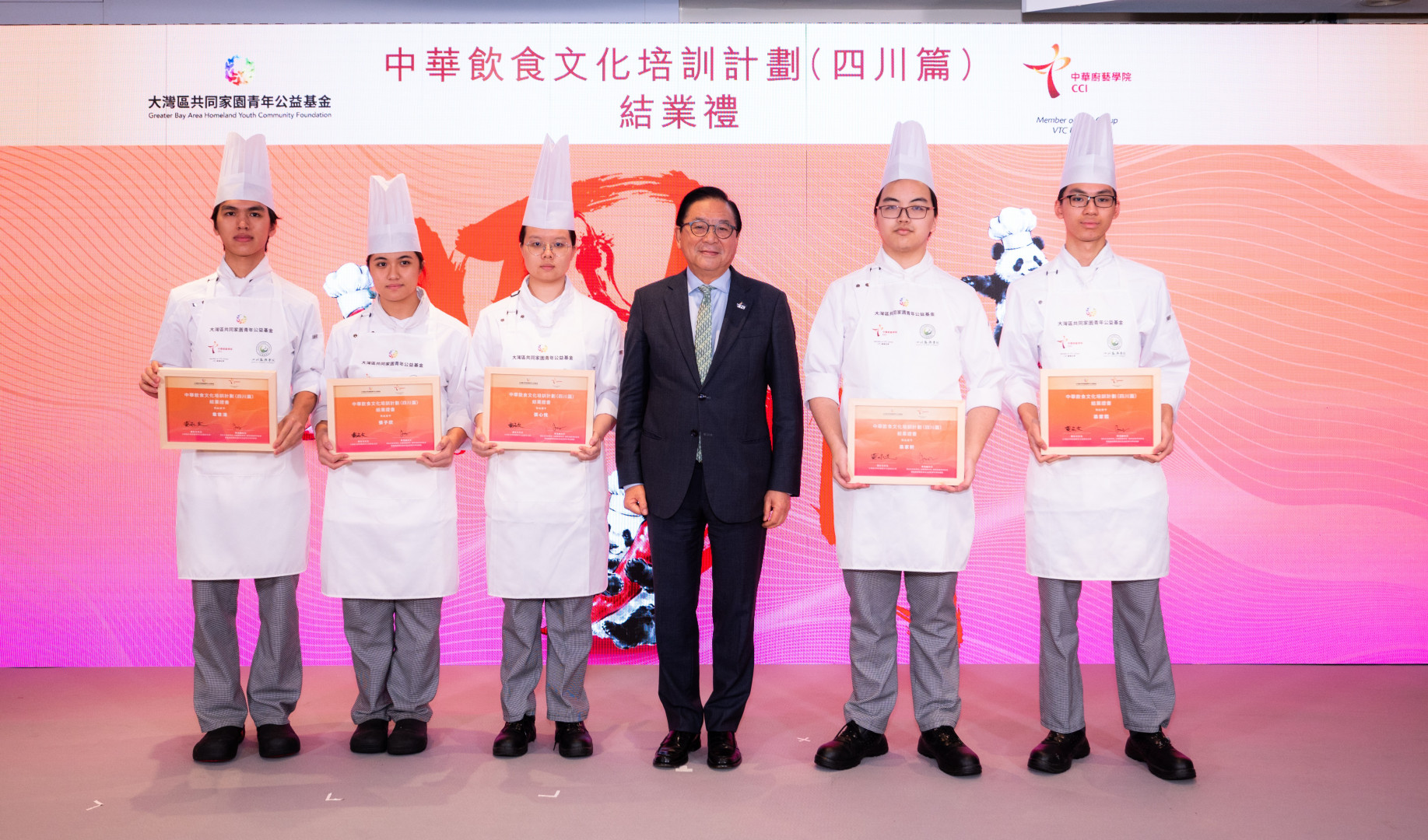
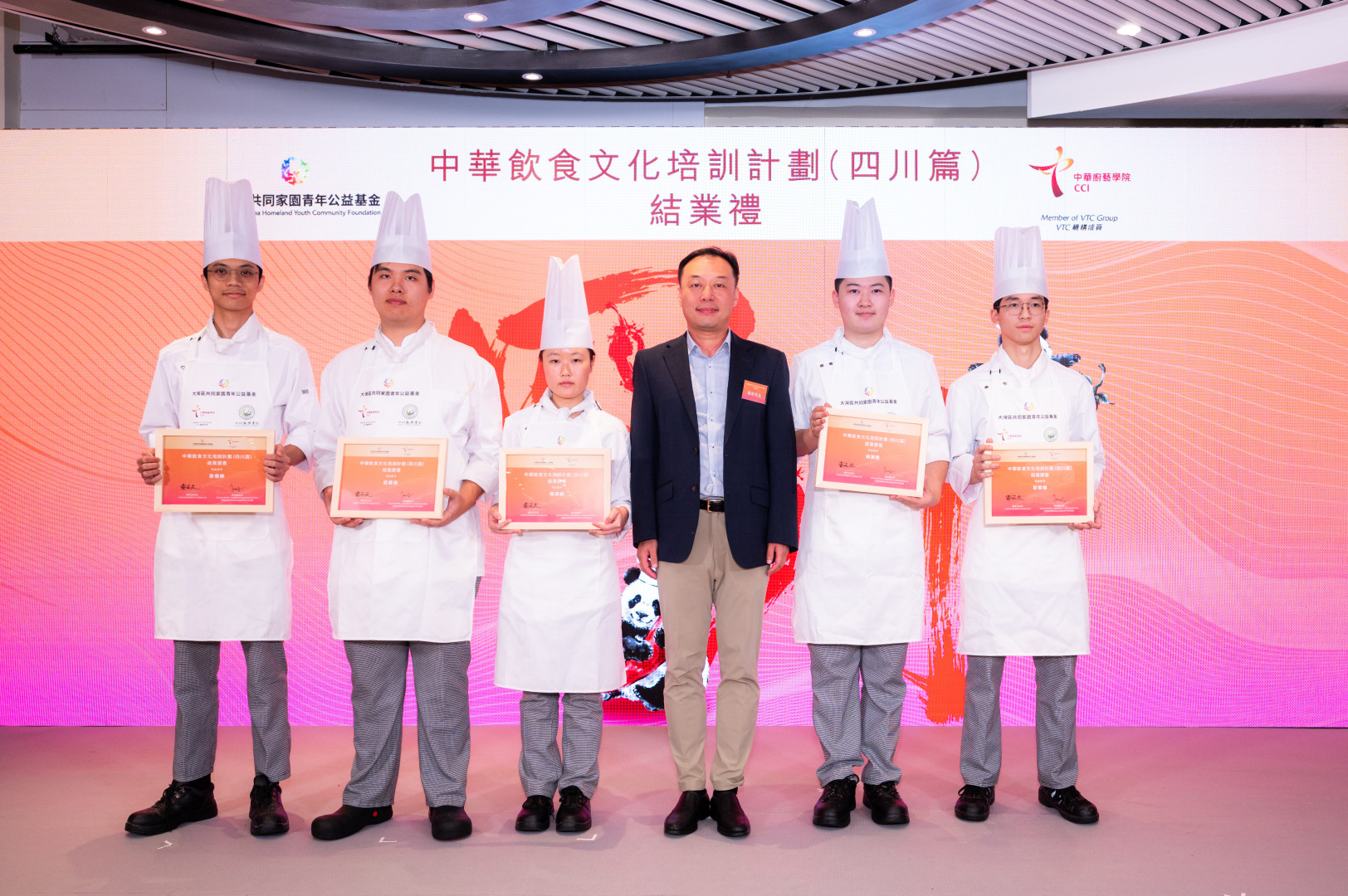
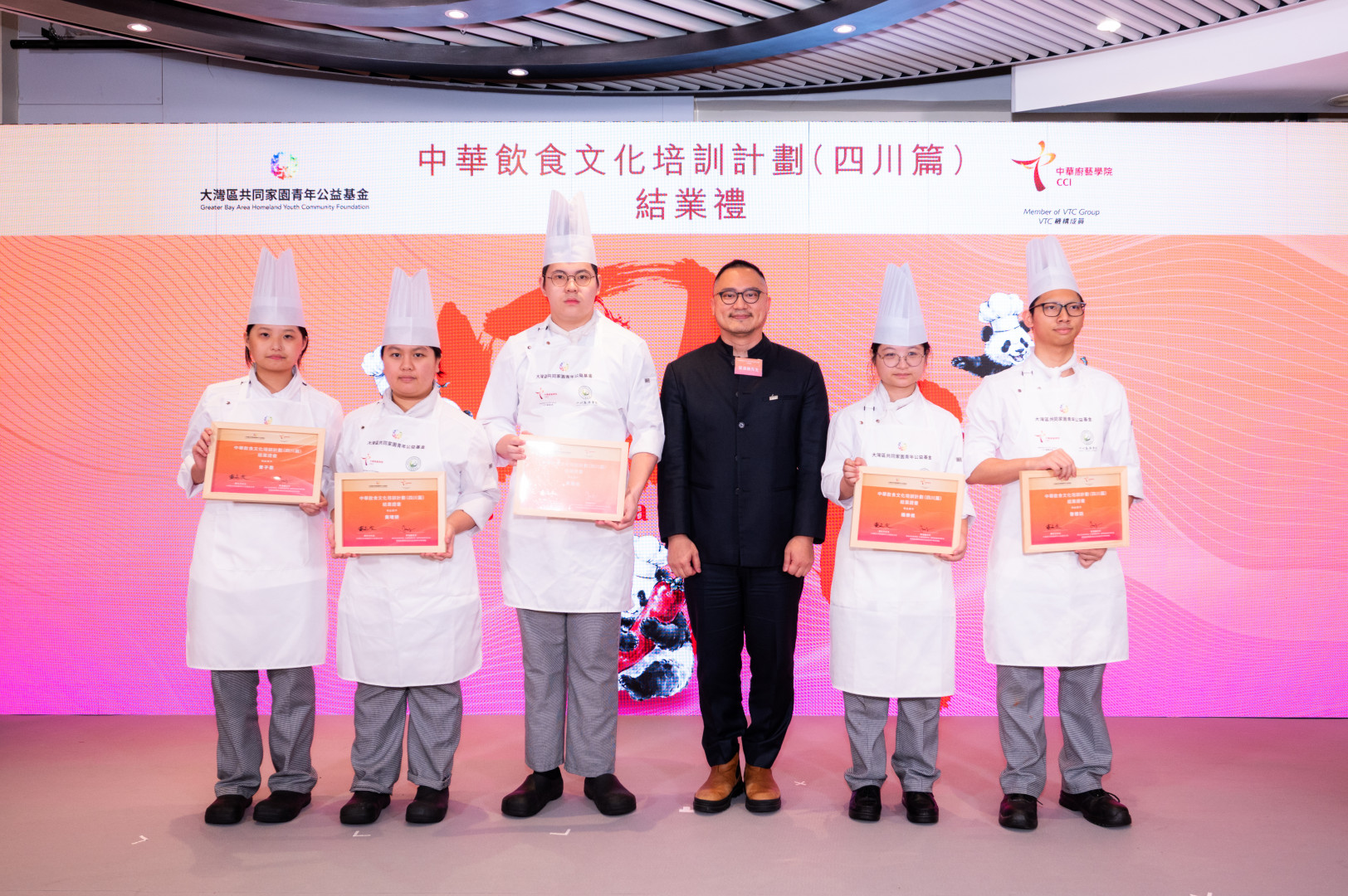
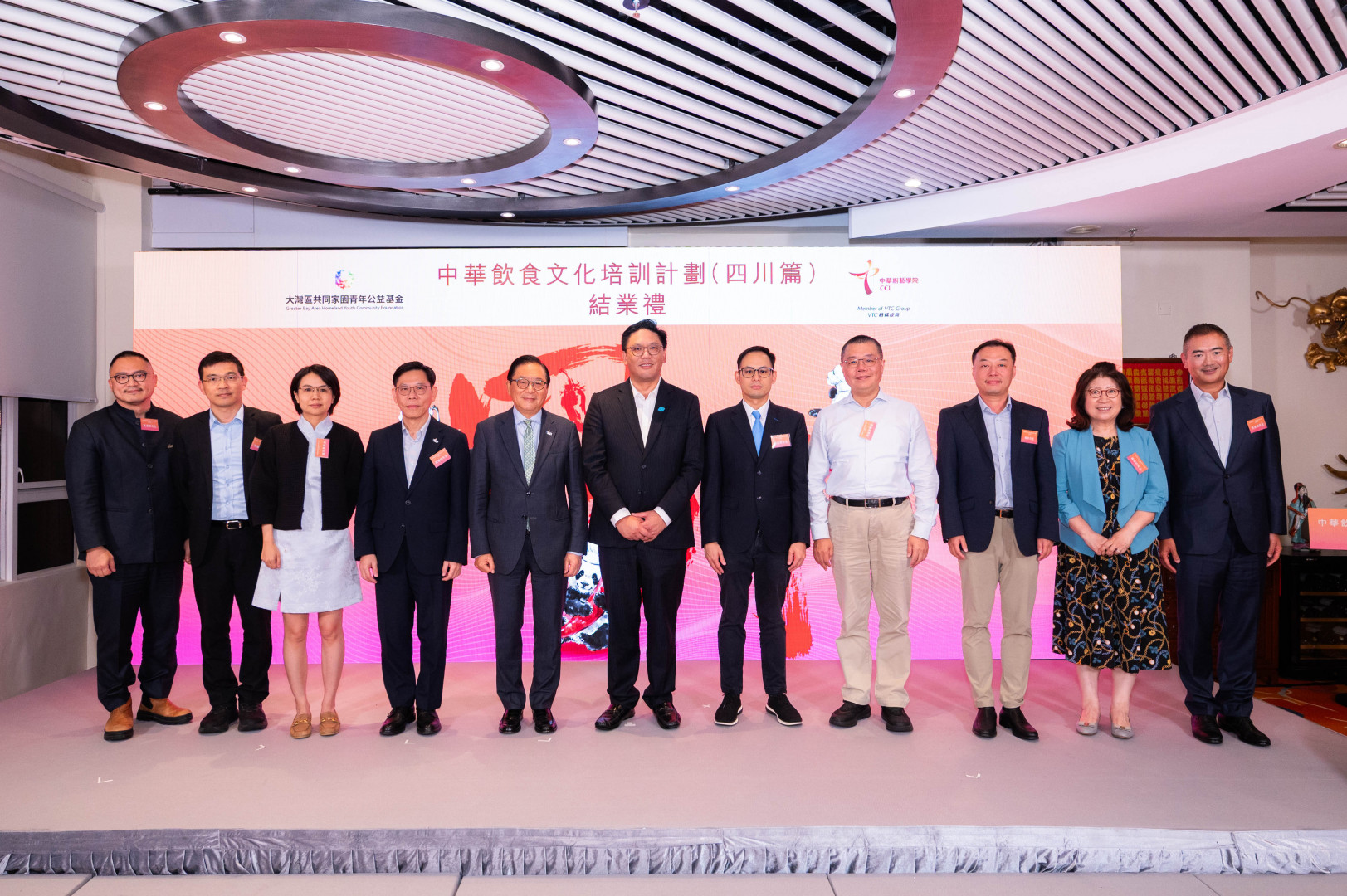
韋世濠、曾子恩、何致晴及王偉明合照,齊心展現研習正宗川菜「七滋八味」的精湛技藝與成果。.jpeg)