多媒體


Chinese Culinary Culture Training Programme – Chaoshan Edition Concludes with a Graduation Dinner Nearly 30 Students Showcase Achievements from Chaoshan Study Tour
The Greater Bay Area Homeland Youth Community Foundation (‘the Foundation’) has long demonstrated an unwavering committment to nurturing young talent through diverse development opportunities. This year, the Foundation once again collaborated with the Chinese Culinary Institute (CCI), taking nearly 30 teachers and students to Shantou in late July for an 8-day training tour, the ‘Chinese Culinary Culture Training Programme – Chaoshan Edition’. Hosted at Guangdong Yuedong Technician College, a provincial ‘Cantonese Master Chef’ training base, the programme offered direct mentorship from nationally and provincially certified chefs, equipping participants with a comprehensive grounding in Chaoshan culinary artistry.
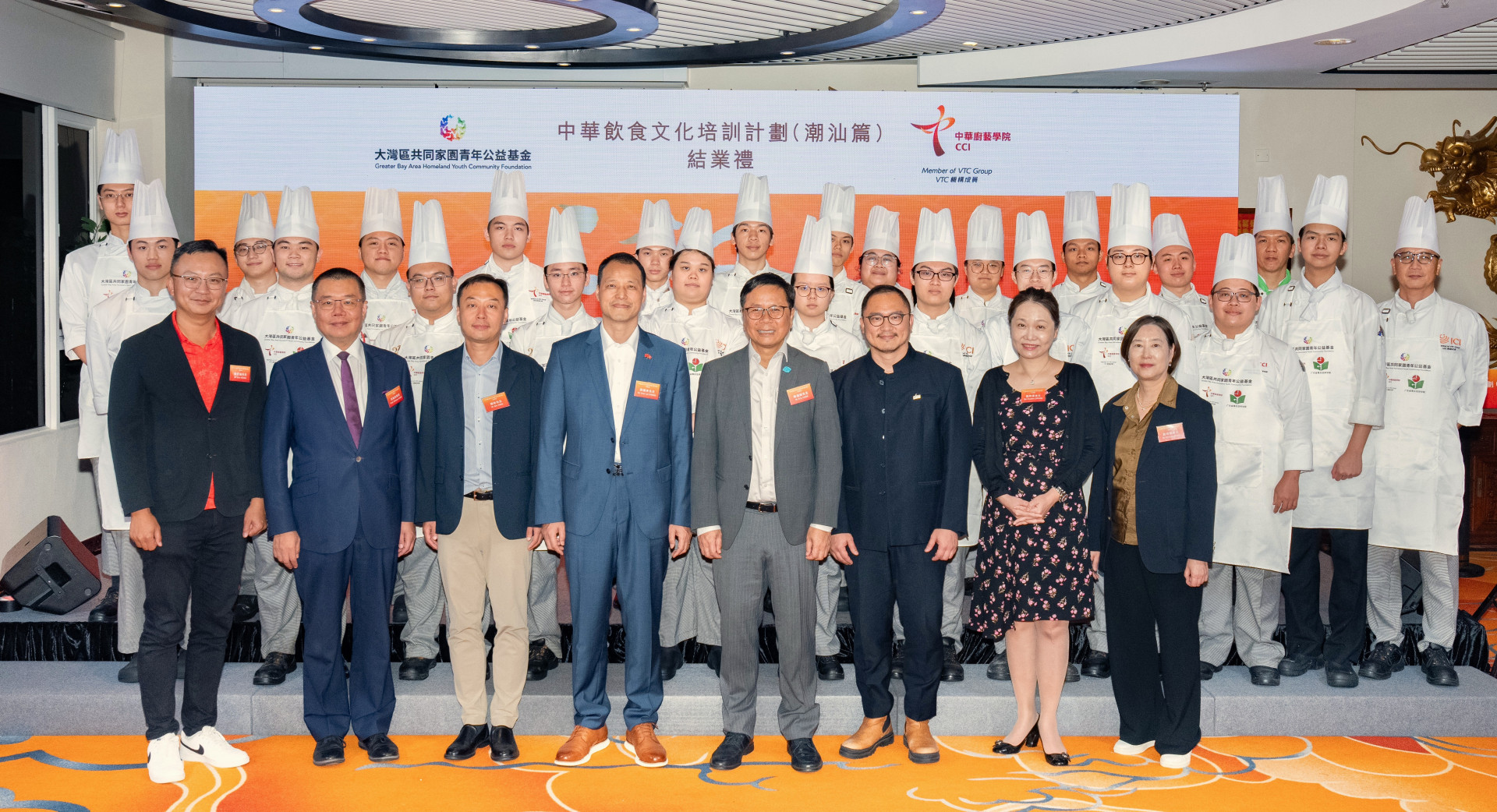
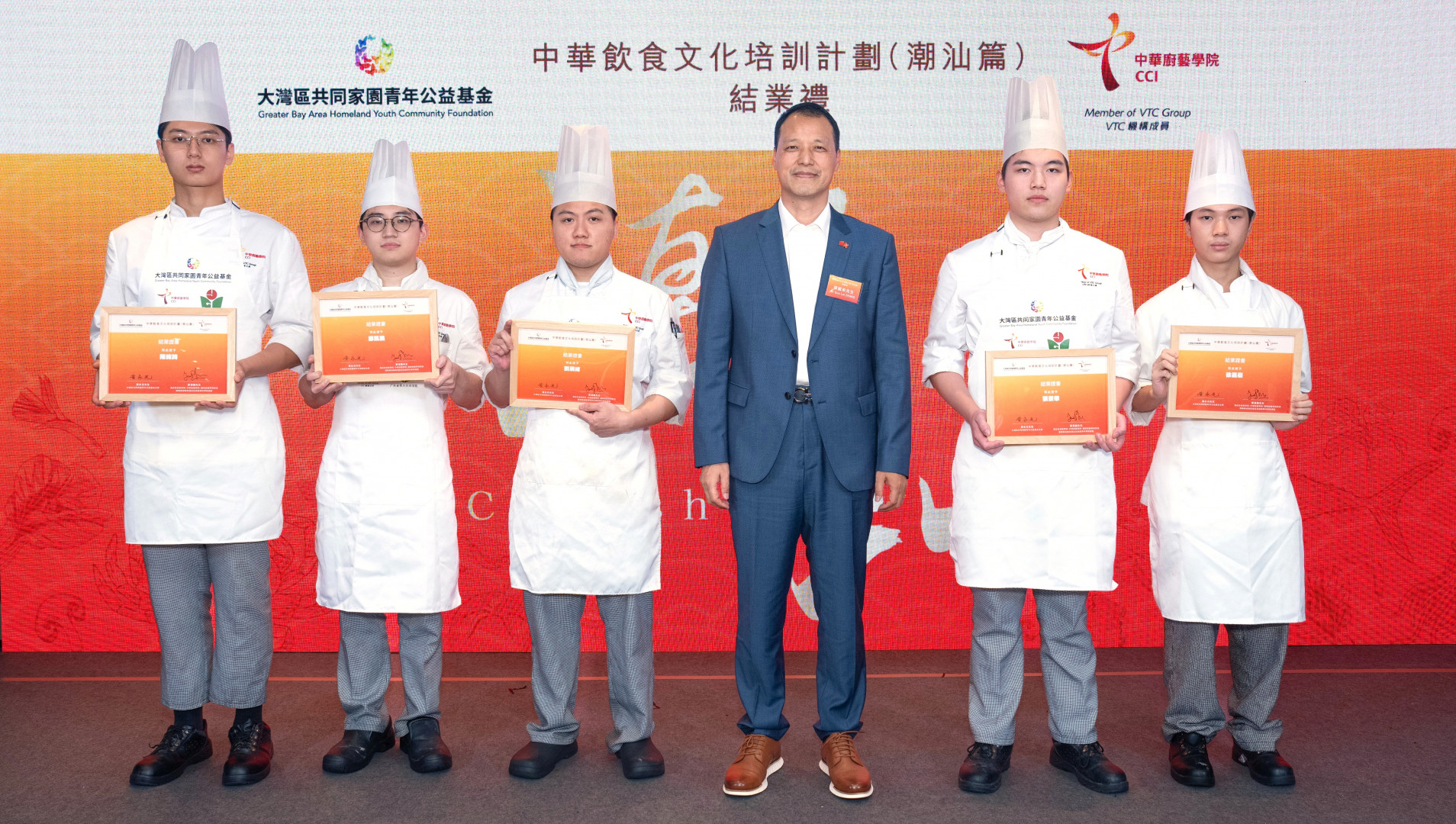
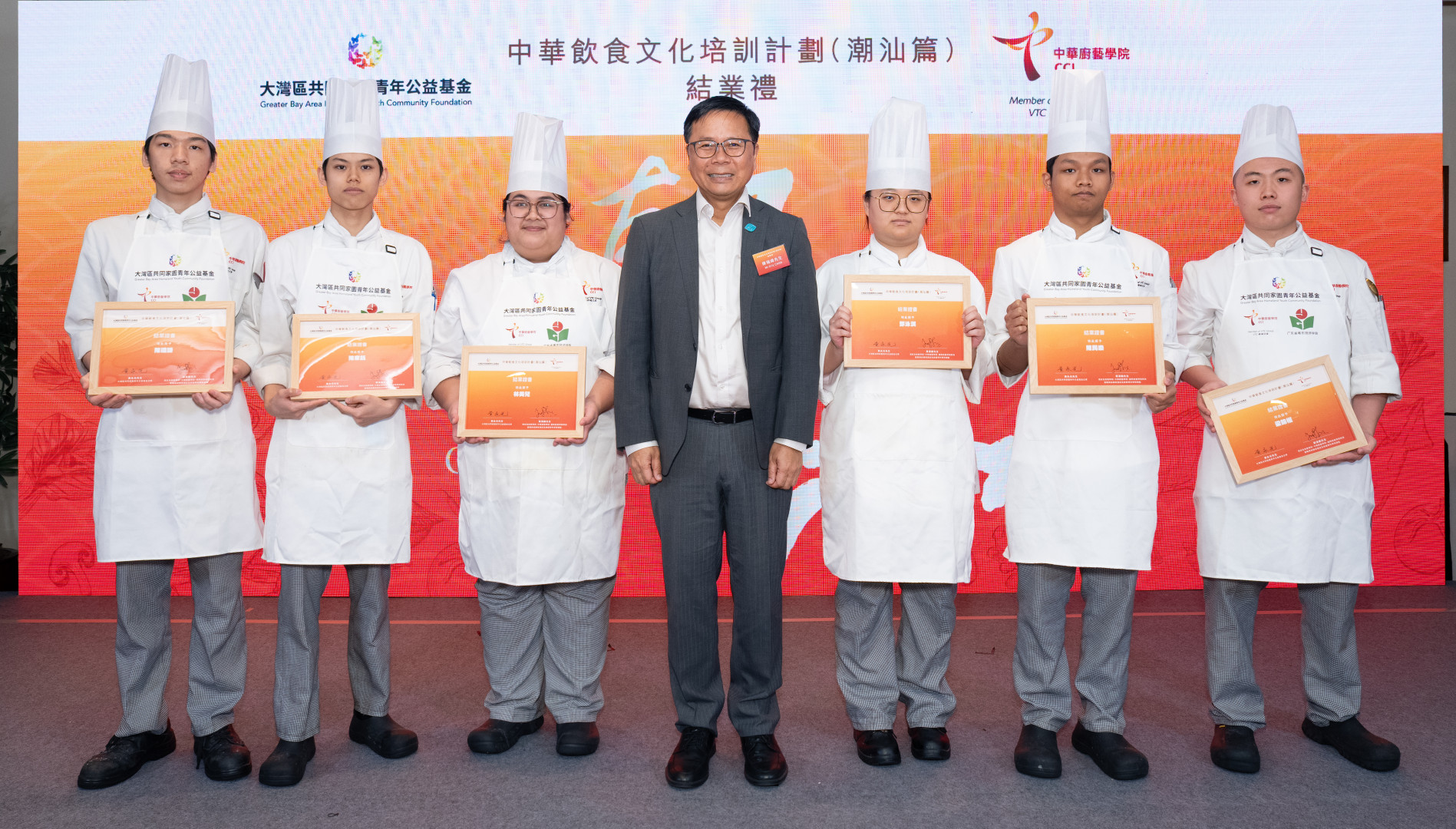
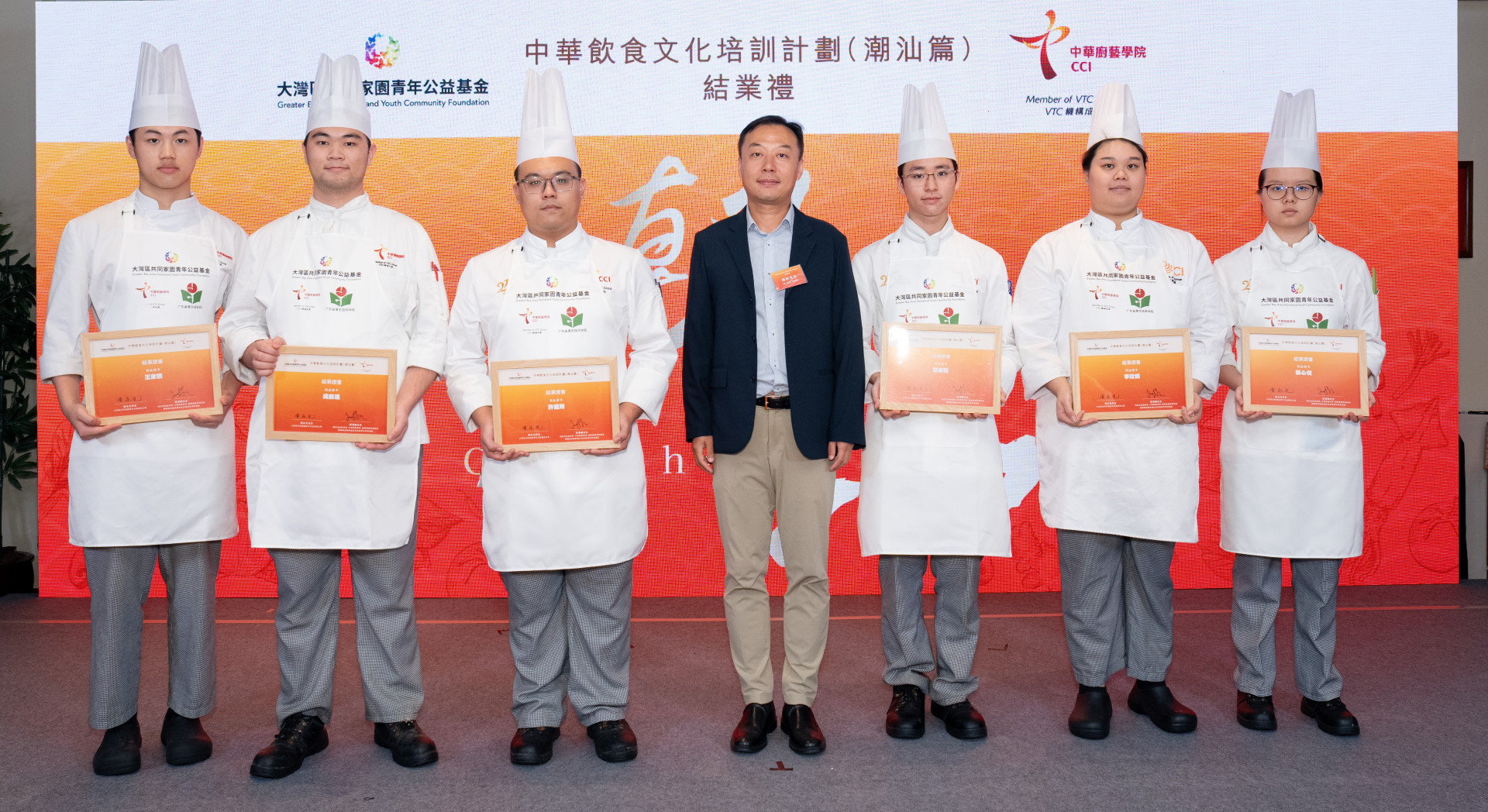
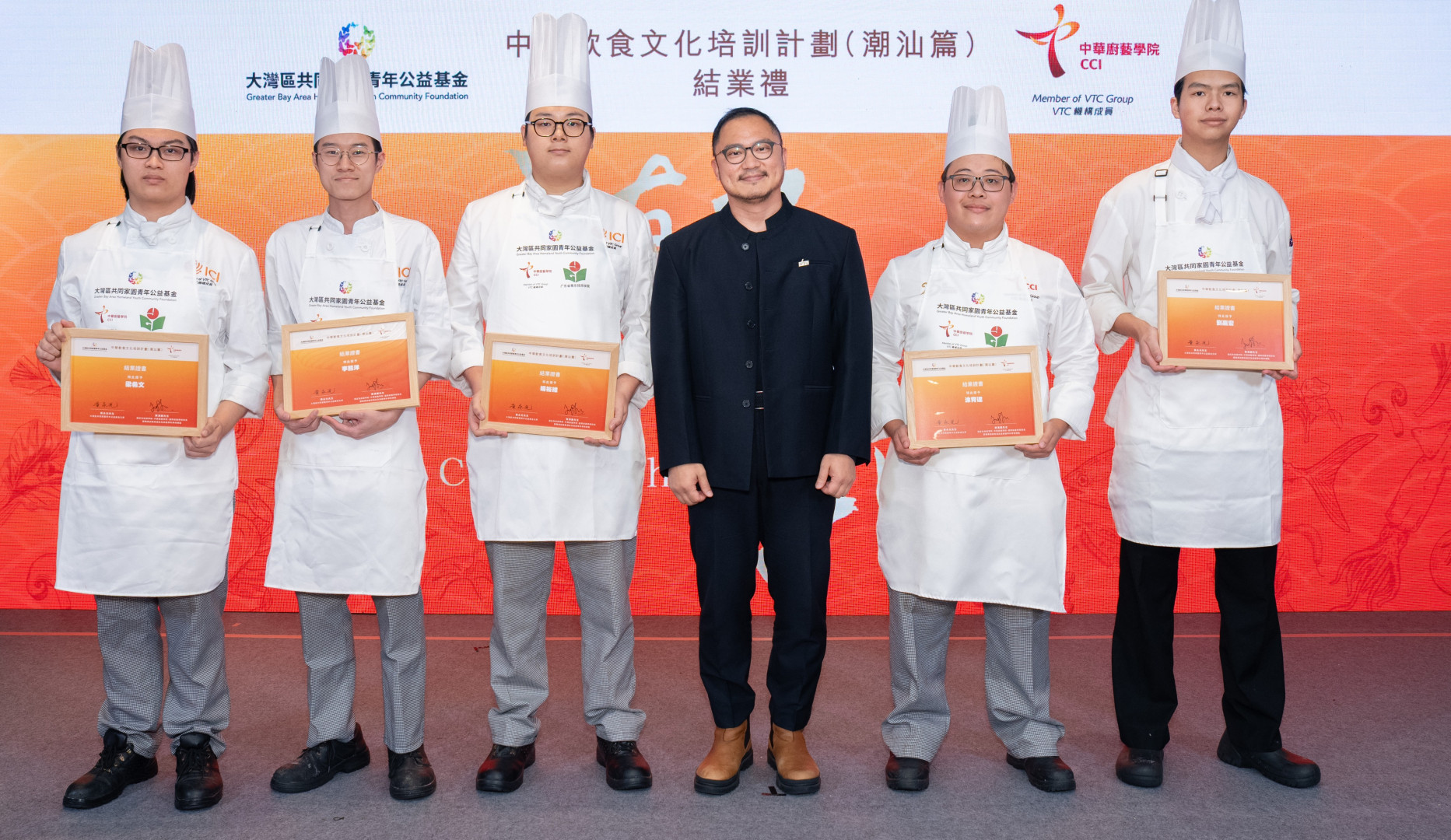
To recognise the students’ achievements, a graduation ceremony and dinner were held on 31 October, where distinguished guests witnessed CCI students thoughtfully curate and prepare a series of classic Chaoshan dishes.
Honoured guests included Mr ZHANG Guolai, Second-class Inspector of Youth Department of the Liaison Office of the Central People's Government in the HKSAR; Mr Eric CHAN Sui-wai, Commissioner for Youth, Home and Youth Affairs Bureau, the Government of the HKSAR; Mr YANG Bin, CEO of the Greater Bay Area Homeland Youth Community Foundation; Mr James YAP Han-phong, Principal of Chinese Culinary Institute. They highly commended the students’ dedication and professionalism throughout the programme, noting that it not only preserved Chinese culinary culture but also enhanced participants’ skills and competitiveness in the food and beverage industry.
Students Curate a Chaoshan Feast to Wide Acclaim
Building on last year’s success of the ‘Lingnan Culture: Fengcheng Dim Sum Training Programme’ in Shunde, this year’s initiative brought students to another culinary stronghold — Shantou. Under the guidance of renowned master chef Zhong Chengquan, students refined their culinary craftsmanship and deepened their understanding of Chaoshan gastronomy. At the graduation banquet on 31 October, they presented a meticulously crafted menu of authentic Chaozhou dishes.
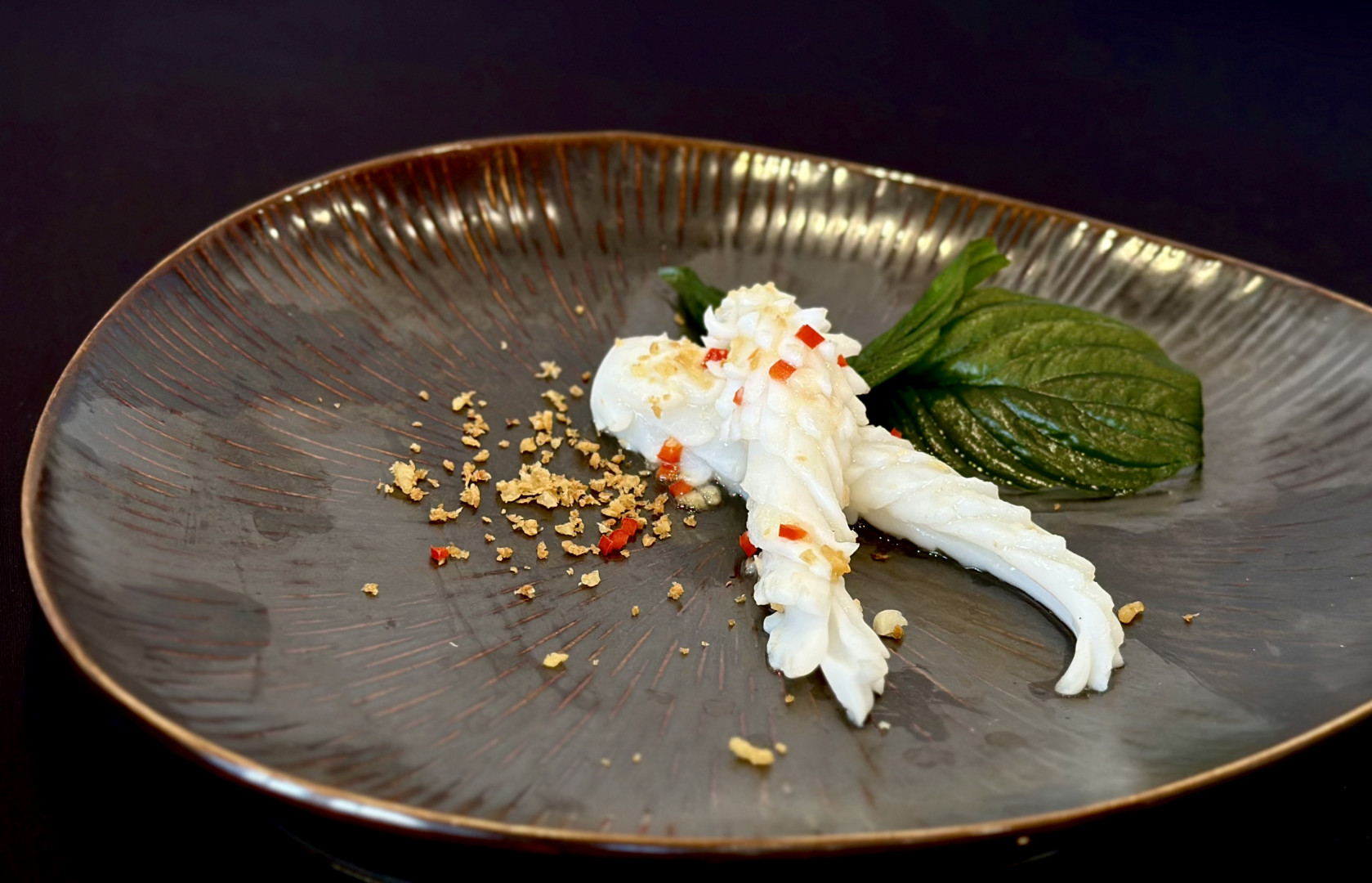
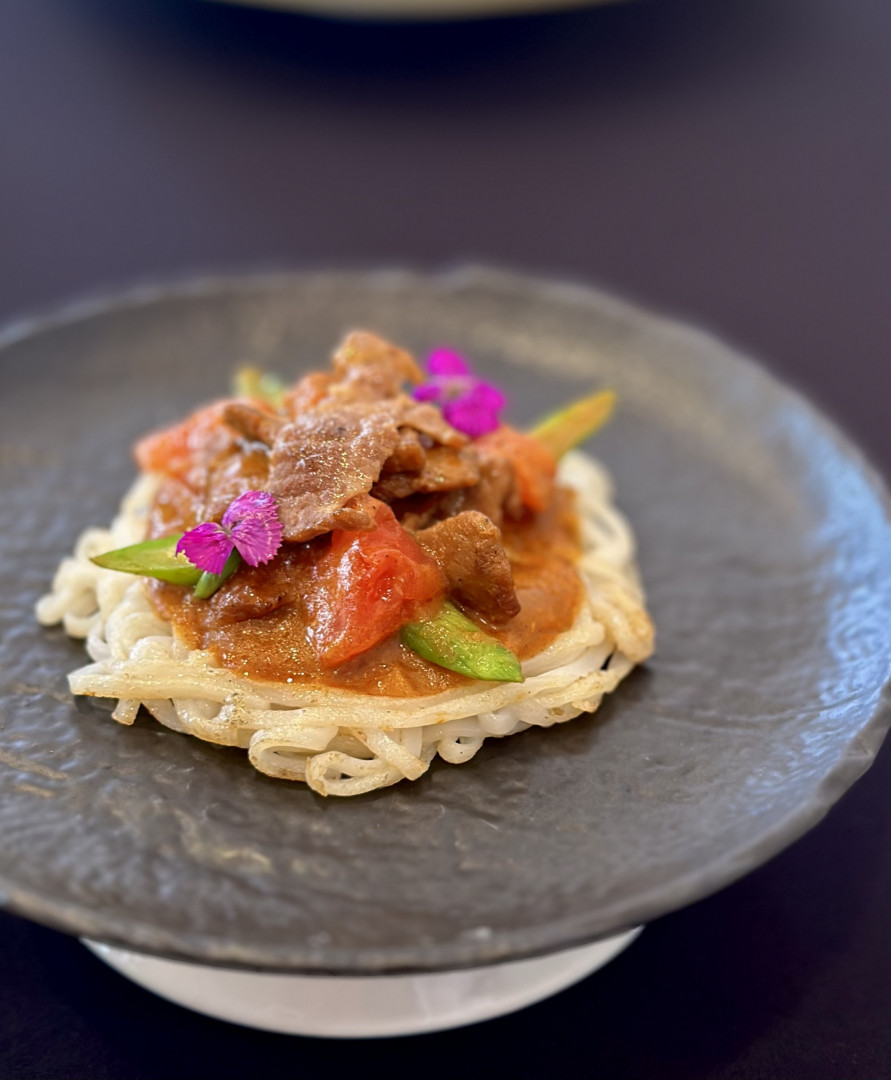
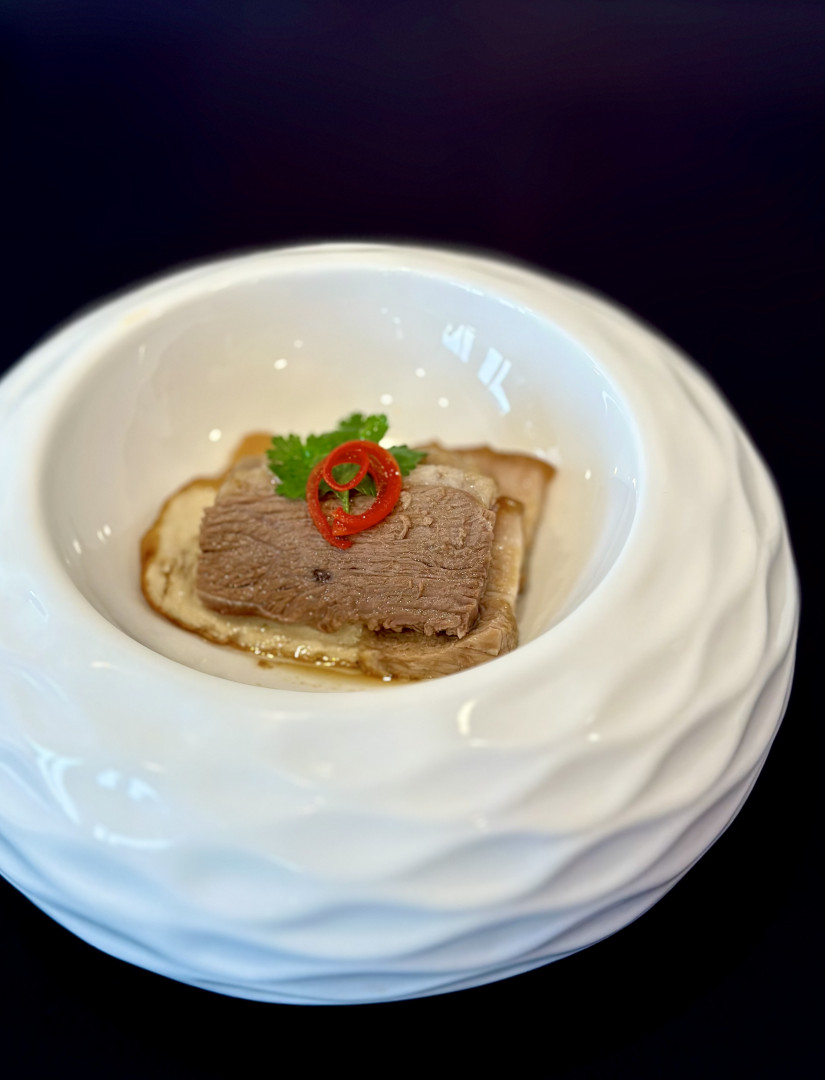
The menu embodied genuine Chaoshan flavours and traditions. Guests were welcomed with four classic appetisers — Deep-fried Pork Liver Roll Wrapped with Caul Fat, Pan-fried oyster Omelette, Tossed Cucumber with Jellyfish, and Deep-fried Crab Roll. The dinner continued with Double-boiled Sea Whelk Consommé with Fish Maw and Chinese Olive - a signature Chaoshan delicacy, followed by traditional Marinated Sliced Goose, Pork Belly and Dry Bean Curd in Chaozhou Brine. For the main courses, the students demonstrated a range of techniques: Sauteed Sliced Squid with Chaozhou-style Fish Sauce showcasing refined knife skills, Steamed Seabass Fillet with Shredded Pork and Mushroom seasoned in Chaoshan-style and gently simmered to preserve the fish’s natural flavour. Braised Chicken Fillet with Sichuan Peppercorn; Sauteed Kale with Dried Salty Flounder and the Fried Rice Noodles with Beef in Shacha Sauce, bursting with ‘wok hei’. The feast concluded with two Chaoshan desserts — Glutinous Rice Flour Dumplings Filled with Sesame Paste symbolising reunion and festivity, and Deep-fried Taro Tossed with Sugar, a tribute to Chaoshan’s artisanal sugar craft.
Experiential Learning Strengthens Cross-Border Culinary Exchange
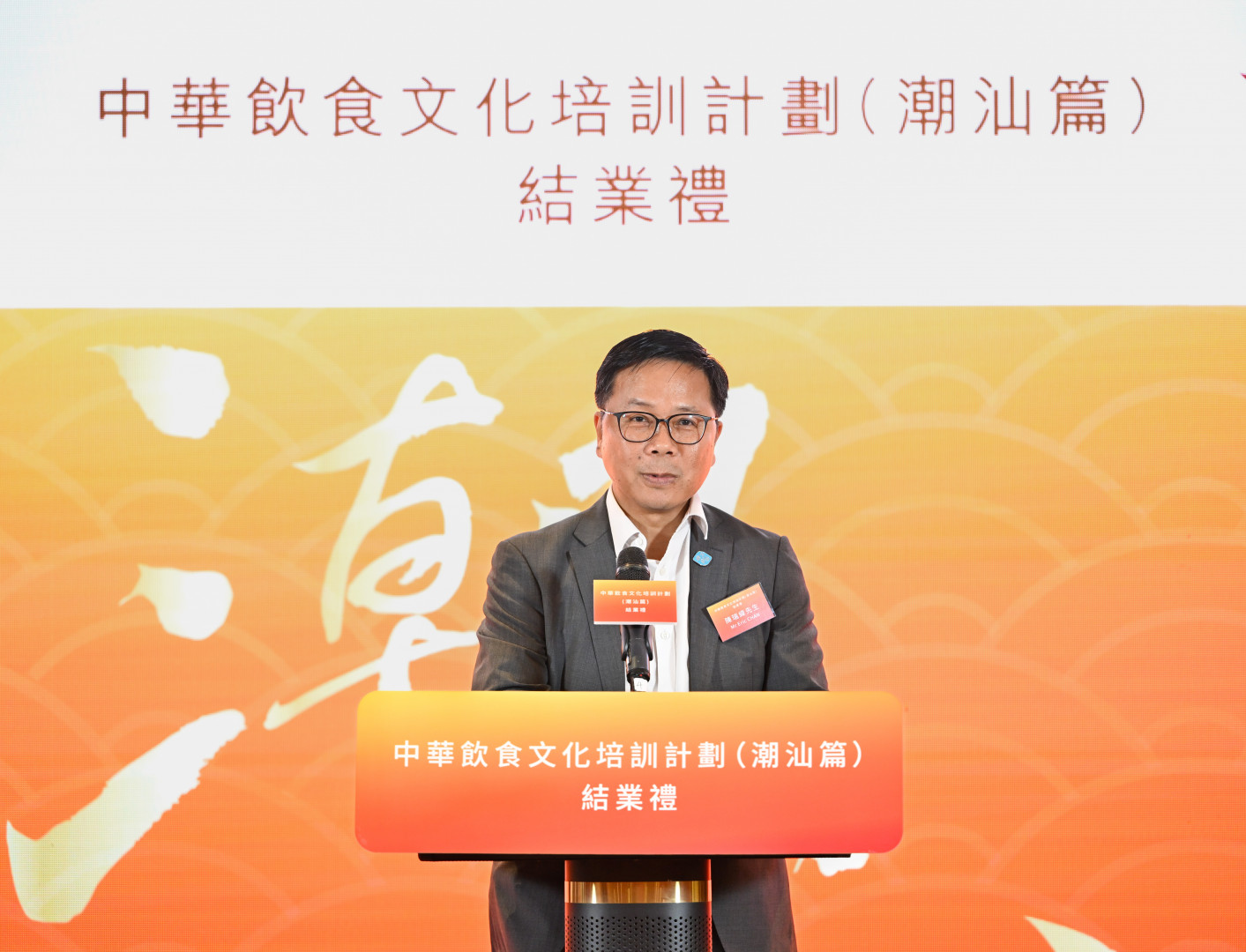
Mr CHAN Sui-wai, Commissioner for Youth of the Home and Youth Affairs Bureau of the HKSAR, said, ‘Thank you to the Greater Bay Area Homeland Youth Community Foundation and the Chinese Culinary Institute for continuing to organise the “Chinese Culinary Culture Training Programme” this year. The Programme provides young people the chance to learn from renowned chefs and fosters culinary exchange between Guangdong and Hong Kong. The Home and Youth Affairs Bureau has been actively promoting a wide range of exchange and internship programmes in Chinese Mainland. Our aim is to help Hong Kong youth better understand our motherland, seize the opportunities arising from the country's key strategic initiatives, and support them in pursuing and realising their aspirations.’
Mr YANG Bin, CEO of the Greater Bay Area Homeland Youth Community Foundation, remarked, ‘The Foundation is committed to supporting young people through experiential and cross-regional learning. This programme not only enables Hong Kong youth to inherit the profound heritage of Chinese culinary culture, but also encourages them to carry it forward. Looking ahead, the Foundation will continue to promote more exchange and diversified activities to help young people broaden their horizons, develop their strengths, and pursue their aspirations.’
Mr YAP Han-phong James, Principal of the Chinese Culinary Institute, shared ‘The training programme provided students with immersive, hands-on experiences that deepened their understanding of Chaoshan culinary techniques and cultural heritage. At the graduation dinner, participants proudly showcased the skills and insights gained during their journey in Shaotou. Looking ahead, we hope further strengthens CCI’s collaboration with the Foundation by expanding the depth and breadth of exchange opportunities, young chefs from Hong Kong can broaden their horizons in a multicultural environment – contributing to the preservation and promotion of Chinese culinary traditions, while injecting creativity and vitality into Hong Kong’s food and beverage industry.’
Students Gain Valuable Insight into Chaoshan Cuisine and Culture
Lau Chin-fung, year 2 student from the CCI’s Diploma in Chinese Cuisine (QF Level 3) programme, who joined the training programme, said, ‘In Shantou, we cooked a variety of authentic Chaoshan dishes daily using fresh, locally sourced ingredients. From the thoughtful sauce pairing to the choice of ingredients, I gained a much deeper understanding of the unique characteristics of Chaoshan culinary culture. I hope to incorporate what I’ve learned into my own creations and bring this experience back to Hong Kong, so more people can appreciate the distinctive charm of Chaoshan cuisine.’
Another participating CCI year 2 student in Higher Diploma in Culinary Arts, Cheung Sum-yuet, added, ‘This exchange tour immersed me in the world of Chaoshan cuisine. I not only learned to prepare a variety of authentic Chaoshan dishes but also improved my knife skills and heat control. The ingredients may look simple, but its cooking techniques are highly intricate. Thanks to the generous sharing by several Chaoshan chefs, I gained valuable insights into the flavours and key techniques of the cuisine – an incredibly rewarding experience.’
In addition to culinary training, the Chinese Culinary Culture Training Programme – Chaoshan Edition also featured cultural immersion activities. Students visited the Chaoshan History and Culture Exhibition Centre and the Chaoshan Cuisine Research Institute, and experienced national intangible cultural heritage such as Teochew gongfu tea and traditional Yingge dance performances – gaining a fuller appreciation of Chaoshan’s rich traditions from both culinary and cultural perspectives.